
How to Protect Furniture During a House Move
Moving house involves more than getting furniture from one property to another. Sofas can catch on doorframes, wooden tables can develop scratches, glass surfaces can crack under pressure, and mattresses can become dirty during transport. Even well-made furniture can suffer damage if it is packed incorrectly, lifted carelessly, or secured poorly inside a moving vehicle.
The good news is that most moving damage is preventable. With the right packing materials, a sensible preparation plan, and careful handling, you can protect your belongings throughout the move. Whether you are moving from a flat in Sheffield, relocating to a new-build home, or transferring an entire household across South Yorkshire, these practical steps will help keep your furniture clean, secure, and in good condition.
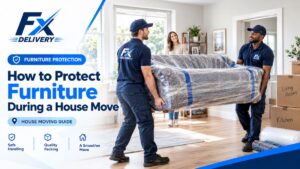
1. Prepare Furniture Before Moving Day
One of the most effective ways to protect furniture is to prepare it before the removal team arrives. Rushing through this stage often leads to forgotten drawers, loose fittings, and avoidable scratches.
Clean and inspect every item
Remove dust, crumbs, and grit from furniture before wrapping it. Small particles trapped between protective materials and a wooden or polished surface can cause scratches when the item moves during transport.
Check each piece for existing damage, including loose legs, chipped corners, unstable joints, and scratches. Taking photographs before packing provides a useful record of the furniture’s condition.
For wooden furniture, use a suitable cleaning product and allow the surface to dry completely. Avoid wrapping damp items, as trapped moisture can affect some finishes.
Empty drawers, cupboards, and shelves
Remove clothing, books, kitchen equipment, and other contents from furniture wherever possible. A seemingly lightweight chest of drawers can become difficult to carry when fully loaded, increasing the risk of strained joints or dropped items.
Remove shelves that are not fixed in place and pack them separately. Secure cabinet doors only when doing so will not damage the finish, and avoid placing tape directly on delicate surfaces.
2. Choose the Right Materials to Protect Furniture
Using the wrong protective material can be almost as damaging as moving an item without protection. Different surfaces require different levels of cushioning, and heavy furniture needs more than a thin layer of plastic.
| Packing material | Best use | Important consideration |
|---|---|---|
| Furniture blankets | Sofas, tables, wardrobes and cabinets | Secure them so they cannot slip during lifting |
| Bubble wrap | Glass components and delicate decorative items | Use a suitable protective layer against sensitive finishes |
| Stretch wrap | Holding blankets in place and protecting upholstered items | Avoid wrapping directly against delicate wood or leather |
| Corrugated cardboard | Corners, edges and flat surfaces | Secure it without leaving adhesive on the furniture |
| Mattress bags | Mattresses and box springs | Choose a suitable size and keep the mattress dry |
| Small bags and labels | Screws, bolts, handles and fittings | Label each bag with the furniture item’s name |
Furniture blankets are particularly useful because they cushion surfaces against knocks and friction. Cardboard corner protectors can also help protect dining tables, desks, and cabinets as they pass through narrow doorways.
Do not assume that extra wrapping always means better protection. Excessive plastic around a delicate finish can trap moisture, while poorly secured blankets may slide off when furniture is lifted.
3. Protect Wooden Furniture from Scratches and Dents
Wooden furniture can be vulnerable to scratches, chipped corners, pressure marks, and damage to joints. Antique pieces, polished dining tables, and solid-wood cabinets deserve particular attention.
Protect corners and exposed surfaces
Start by covering sharp corners with cardboard or purpose-made protectors. Wrap the item in furniture blankets, ensuring that the entire surface is covered, including the sides and legs.
For a dining table, remove the legs if the design allows it. This makes the tabletop easier to manoeuvre and reduces pressure on the joints. Place the tabletop on a suitable protected surface during transport, following the manufacturer’s handling guidance, rather than assuming every table can safely be carried or stored flat.
Avoid adhesive tape on finished wood
Never apply strong packing tape directly to varnished, painted, or polished furniture. Adhesive can leave residue or pull away part of the finish when removed.
Instead, secure the protective covering around itself or use straps designed for moving blankets. Keep metal buckles and hard fittings away from the furniture surface.
Handle antiques with extra care
Older furniture may have fragile veneers, delicate inlays, loose joints, or finishes that are difficult to repair. Avoid lifting antique pieces by handles, decorative trim, or projecting sections. Support the main frame and consider professional packing for particularly valuable items.
4. Prevent Damage to Sofas, Chairs, and Mattresses
Upholstered furniture can collect dust, absorb moisture, snag on sharp objects, and develop tears during a move. Protection should cover both the fabric and the structural parts of the item.
Wrap sofas and armchairs properly
Remove cushions and pack them separately in clean bags or suitable covers. Protect the sofa with a furniture blanket or an appropriately sized upholstery cover, paying attention to the arms, feet, and lower frame.
Before moving a sofa through a doorway, measure its width, height, and depth. Include the dimensions of any fixed arms or backrests that affect manoeuvrability.
In Sheffield homes, narrow hallways, tight staircases, and restricted entrances can make large sofas difficult to move. Measure door openings and stairwell turns before moving day. Removing detachable legs or cushions may provide the clearance needed without forcing the furniture through a tight space.
Keep mattresses clean and dry
Use a mattress bag to protect against dirt, damp floors, and contact with other items. Seal the bag securely and avoid dragging the mattress along the ground.
Follow the mattress manufacturer’s instructions regarding carrying and positioning. Some mattresses can be damaged if folded or bent, even temporarily. Keep mattresses away from tools, furniture legs, and other objects that could puncture the cover.
5. Disassemble Large Furniture Carefully
Taking apart suitable furniture can make it easier to carry and reduce the chance of damage. However, disassembly should be limited to components that can safely be removed.
Wardrobes, bed frames, large desks, and modular shelving units are common candidates. Check the manufacturer’s instructions before removing fittings, particularly where the furniture relies on specific joints or brackets for stability.
Keep screws and fittings organised
Place screws, bolts, washers, and small brackets in labelled bags. For example, label a bag “Main bedroom bed frame” rather than simply “Screws.”
Tape the labelled bag to a protected, non-delicate part of the furniture or keep it in a clearly marked moving box. Photograph complicated connections before dismantling them so you can refer to the images during reassembly.
Do not leave tall wardrobes or heavy cabinets partially assembled if doing so makes them unstable. Likewise, avoid dismantling furniture that is glued together or designed as a single structural unit unless a qualified professional recommends it.
6. Protect Glass, Mirrors, and Fragile Furniture Parts
Glass tabletops, mirrored wardrobe doors, glass cabinet shelves, and decorative inserts need a different approach from solid furniture.
Remove detachable glass shelves and wrap each piece individually with suitable cushioning. Use rigid cardboard or purpose-made protective packaging on both sides to reduce the risk of impact. Clearly label the package as fragile and indicate the correct orientation when necessary.
For large mirrors and glass panels, use appropriately sized protective cartons or specialist packing materials. Do not rely on bubble wrap alone to prevent breakage, as it provides cushioning but not enough resistance to concentrated pressure.
Whenever possible, transport glass components separately from heavy furniture. Keep them secured upright in suitable protective packaging, following the manufacturer’s or professional mover’s handling guidance. Never place heavy boxes on top of a glass panel, even if it appears well wrapped.
7. Load Furniture Safely into the Moving Vehicle
Correct packing will not prevent damage if furniture is loaded carelessly. Movement during braking, turning, or travelling over uneven roads can cause items to collide or fall.
Place heavy items securely
Load heavy, stable furniture first, positioning it so that weight is distributed appropriately across the vehicle. Secure large items using suitable restraints attached to designated anchor points.
Avoid placing heavy objects against delicate furniture without sufficient protection. Keep tools, metal fittings, and loose equipment away from upholstered or polished surfaces.
Mattresses, cushions, and lightweight pieces should not be used as substitutes for proper load restraints. Soft materials may provide cushioning, but they cannot reliably stop heavy furniture from shifting.
Check the load before departure
Before setting off, confirm that:
- Furniture blankets remain in position.
- Glass and fragile components are protected and secured.
- Drawers, doors, and removable parts cannot swing open.
- Heavy items are restrained against movement.
- No loose tools or fittings can roll into furniture.
- The vehicle’s load is stable and does not obstruct safe driving.
For longer journeys from Sheffield to another part of the UK, check that the load remains secure if the vehicle stops for an extended period or needs to be rearranged.
8. Plan for Sheffield’s Property Access and Moving Conditions
Furniture protection begins before anything leaves the house. Local property layouts and access conditions can influence how items should be packed and carried.
Flats without lifts may involve several flights of stairs, increasing the time furniture spends being handled. Older properties can have narrow staircases, sharp turns, and restricted doorways. New-build developments may have limited loading areas, shared entrances, or designated moving times.
Before moving day, check parking arrangements, access restrictions, lift availability, and any building rules. If you are moving into a property with a narrow entrance, measure the largest furniture pieces and compare their dimensions with the available route.
Rain can also create problems during a move. Prepare a covered loading area where possible, keep cardboard packaging dry, and use suitable waterproof covers for furniture travelling between the property and vehicle. Waterproof coverings should not trap moisture against furniture for prolonged periods.
When arranging help with a Sheffield house move, share details about heavy wardrobes, oversized sofas, glass furniture, stair access, and particularly valuable pieces in advance. FX Delivery provides moving and delivery services through its website, fxdelivery.co.uk, which you can consult when planning your transport requirements.
9. Protect Floors, Walls, and Doorways During the Move
Furniture is not the only thing at risk. Moving large items can leave scuffs on painted walls, dents in doorframes, scratches on flooring, and damage to stair rails.
Use suitable floor protection in high-traffic areas, ensuring that it does not create a slipping or tripping hazard. Protect vulnerable doorframes and corners with purpose-made guards or securely positioned padding.
Keep the route clear of shoes, boxes, loose cables, and other obstacles. Open doors fully where possible and plan how each large item will turn through narrow spaces before lifting it.
Never attempt to force a wardrobe or sofa through an opening that is too small. Stop, reassess the angle, and consider removing detachable parts or using trained assistance. Forcing furniture through a doorway can damage both the item and the property.
10. Check Your Furniture After Arrival
Once your furniture reaches the new home, inspect it before removing all the protective materials. Look for scratches, chipped edges, damaged upholstery, broken fittings, and cracks in glass components.
Compare the condition with the photographs taken before the move. If you discover damage, document it clearly and contact the relevant moving provider promptly, following the terms of your booking and any applicable claims procedure.
Unwrap furniture in a clean, dry area and allow any coverings to be removed without dragging them across delicate finishes. Reassemble items using the labelled fittings and reference photographs. Check that beds, tables, and cabinets are stable before putting them back into everyday use.
If furniture has become damp during transport, remove the wet covering and allow the item to dry appropriately before enclosing it again. Do not use excessive heat on wood, leather, or upholstery, as this can cause additional damage.
Conclusion
Protecting furniture during a house move comes down to preparation, suitable materials, careful handling, and secure transport. Clean and inspect items beforehand, use protection suited to each surface, organise fittings during disassembly, and make sure furniture cannot shift inside the vehicle.
For moves around Sheffield and South Yorkshire, planning for narrow staircases, restricted parking, changing weather, and difficult property access can make a significant difference. Taking time to measure furniture, prepare the route, and communicate special handling requirements helps reduce avoidable damage and makes settling into your new home much easier.